

Source: New Your Post | Taxpayer-funded Trans Dolls to Hit Classrooms this Fall
University Research on MyGender Dolls Draws Public Attention
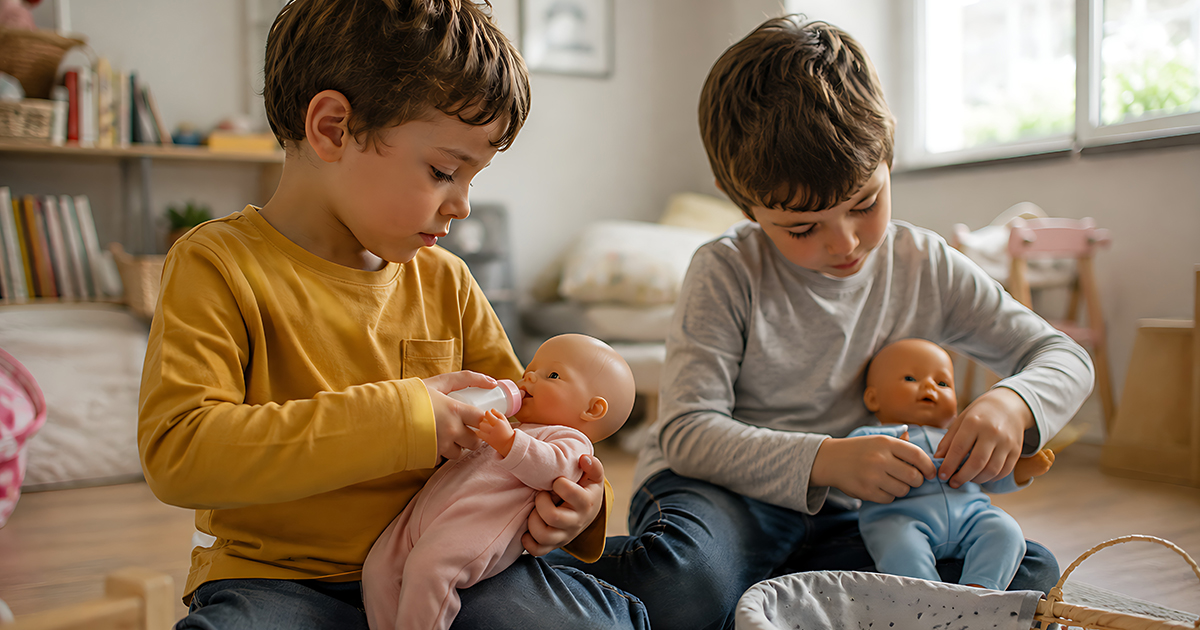
A research project developed at the University of Minnesota Medical School has generated national attention following the upcoming release of MyGender Dolls, an educational and therapeutic tool designed to help professionals discuss anatomy, puberty, and gender identity with children.
The paper dolls, developed over several years by researchers at the university’s Institute for Sexual and Gender Health, feature interchangeable clothing, hairstyles, and anatomical pieces. According to the creators, the dolls are intended for use by therapists, counselors, pediatricians, and educators to support age-appropriate conversations in clinical and educational settings.
Public discussion has largely centered on two questions: how the project was funded and whether the dolls will be used in schools.
The University of Minnesota has stated that public funds were not used to commercialize the MyGender Dolls product. However, because the research originated at a public university, some have questioned whether taxpayer-funded research or university resources contributed to the project’s early development. As of now, the university has not publicly released detailed funding records that fully answer those questions.
Another point of debate involves the dolls’ use in classrooms. While the creators say the dolls will be available to educators and clinicians, there is currently no publicly verified evidence of a statewide requirement or mandate for schools to use them. Any adoption would likely depend on decisions made by individual schools, districts, or professionals.
Supporters describe the dolls as a therapeutic resource intended to foster discussion and understanding in professional settings. Critics have raised concerns about the age of the intended audience, parental involvement, and the broader role of gender-related materials in schools.
As additional funding records and implementation details become available, they may provide greater clarity about the project’s development and how, if at all, the dolls will be incorporated into educational settings.